
Insights From the Zero Trust Front Line.
Product thinking, threat analysis and migration playbooks from the InstaSafe team — 330 posts, newest first.
Posts open on instasafe.com/blog
Showing 24 of 330
Zero Trust Security for BFSI: Protecting Banking and Financial Institutions from Modern Cyber Threats
The BFSI (Banking, Financial Services, and Insurance) sector sits at the center of the digital economy. From mobile banking and digital lending to online insurance platforms and real-time…
Read on the blog
Securing Hybrid and Cloud Infrastructure in BFSI: Moving Beyond Perimeter-Based Security
The BFSI (Banking, Financial Services, and Insurance) sector is undergoing rapid digital transformation. From core banking modernization and mobile-first platforms to cloud-native…
Read on the blog
From Passwords to Identity: Modern Access Security for Fintech Organizations
The Fintech revolution has transformed how the world interacts with money. Digital banking, mobile payments, embedded finance, and open APIs have made financial services faster and more…
Read on the blog
Why MFA Is Critical for Fintech Security, Compliance, and Fraud Prevention
The Fintech industry has revolutionized financial services by enabling instant payments, digital banking, open APIs, and mobile-first experiences. However, this rapid digital transformation…
Read on the blog
Securing Fintech Platforms with Zero Trust: Why Identity-First Security Is Critical
The Fintech industry has transformed the way financial services are delivered. From digital banking and mobile payments to open APIs and cloud-based platforms, Fintech companies operate in a…
Read on the blog
Valentine’s Day Scams: How Cybercriminals Exploit Love and How InstaSafe Helps You Stay Protected
Valentine’s Day is meant to be a celebration of love, connection, and relationships. Unfortunately, it has also become one of the most profitable seasons for cybercriminals. Every year…
Read on the blog
Why Cybersecurity Is a Strategic Priority for IPO-Bound Companies
Preparing for an Initial Public Offering (IPO) is one of the most critical milestones in a company’s growth journey. While financial performance, market positioning, and regulatory readiness…
Read on the blog
How Zero Trust Architecture Strengthens Security for IPO Readiness
Preparing for an Initial Public Offering (IPO) is one of the most critical milestones in an organisation’s growth journey. While financial performance, governance, and operational maturity…
Read on the blog
Multi-Factor Authentication (MFA) for IPO Security and Compliance
Preparing for an Initial Public Offering (IPO) is a defining moment for any organisation. Beyond financial performance and market positioning, one area that receives intense scrutiny during…
Read on the blog
Cybersecurity for the IPO Industry: Why Identity-First Security and Zero Trust Are Critical Before Going Public
Taking a company public is a monumental milestone - but the road to an Initial Public Offering (IPO) is fraught with regulatory, financial, operational, and cybersecurity challenges. During…
Read on the blog
How MFA Enables ITES Compliance and Strengthens Cybersecurity Posture
IT-Enabled Services (ITES) companies are at the forefront of digital transformation. From customer support and BPO operations to cloud-based IT services and help-desk platforms, ITES…
Read on the blog
From VPNs to Zero Trust: Modern Cybersecurity for ITES Organizations
The IT-Enabled Services (ITES) industry has rapidly evolved into a globally distributed, cloud-driven ecosystem. From customer support centers and BPO operations to knowledge services and IT…
Read on the blog
Securing the ITES Industry with Zero Trust: Why Identity-First Security Is Critical for Modern Service Organizations
The IT-Enabled Services (ITES) industry plays a vital role in today’s global digital economy. From customer support and business process outsourcing (BPO) to knowledge services and IT…
Read on the blog
From Perimeter to Identity: The Evolution of SaaS Cybersecurity
The rise of Software-as-a-Service (SaaS) has fundamentally changed how businesses operate. From CRM and finance tools to HR systems and collaboration platforms, SaaS applications now power…
Read on the blog
How MFA Strengthens SaaS Compliance and Data Protection
As organizations increasingly adopt Software-as-a-Service (SaaS) platforms for business-critical operations, ensuring secure access to these applications has become a top priority. From…
Read on the blog
Securing SaaS Applications with Zero Trust: Why Identity-First Security Is the Future of Cloud Access
The rapid growth of Software-as-a-Service (SaaS) has transformed how businesses operate. From CRM and HR platforms to finance and collaboration tools, organizations today rely heavily on…
Read on the blog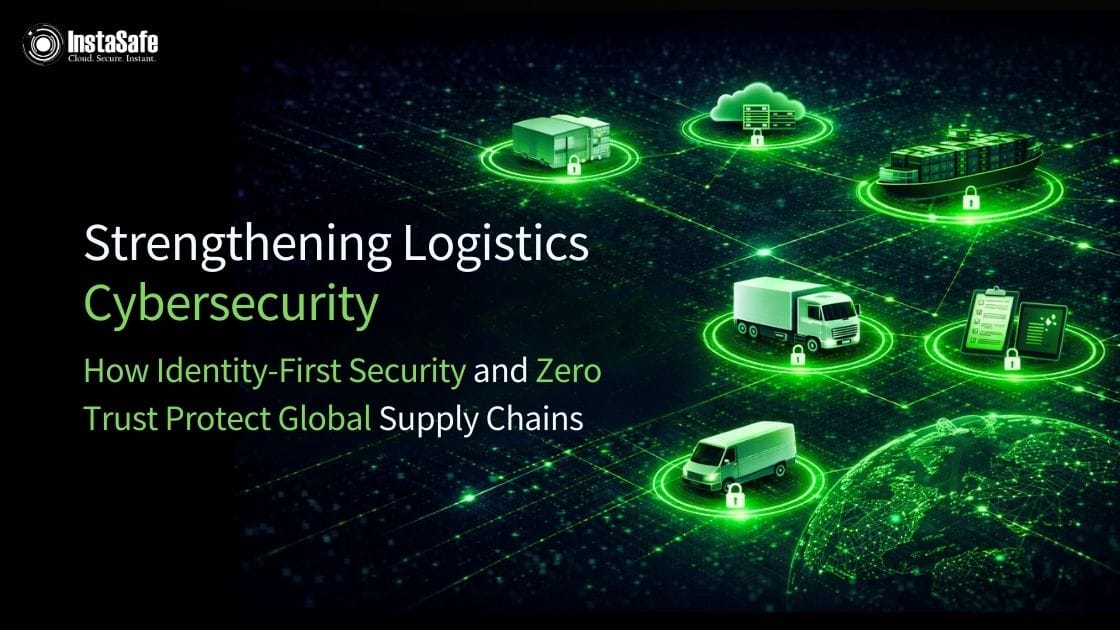
Strengthening Logistics Cybersecurity: How Identity-First Security and Zero Trust Protect Global Supply Chains
In today’s interconnected world, the logistics industry keeps commerce flowing — from manufacturing floors to last-mile delivery. But the very digital transformations that fuel operational…
Read on the blog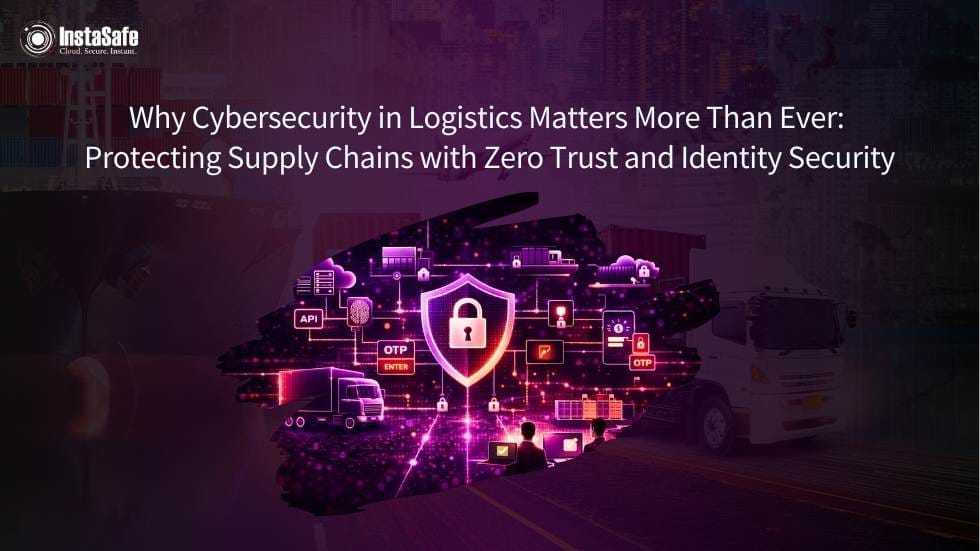
Why Cybersecurity in Logistics Matters More Than Ever: Protecting Supply Chains with Zero Trust and Identity Security
The logistics industry is at the heart of global commerce - moving goods across borders, optimizing supply chains, and connecting businesses with customers. But as logistics becomes…
Read on the blog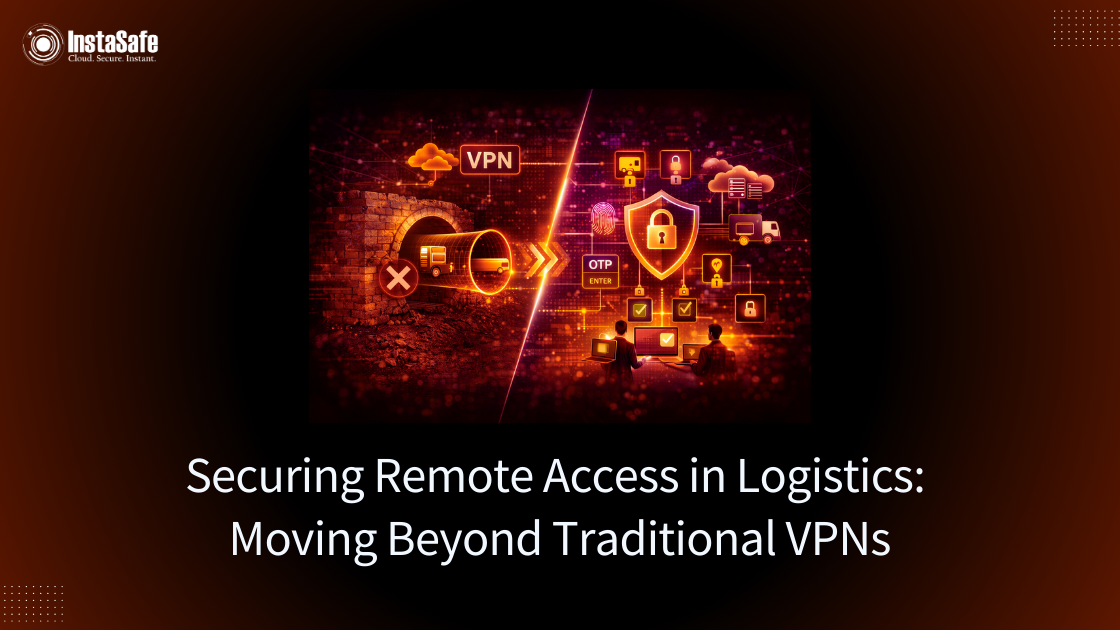
Securing Remote Access in Logistics: Moving Beyond Traditional VPNs
The logistics industry has become increasingly dependent on remote connectivity. From warehouse managers and fleet operators to third-party carriers and IT administrators, users now access…
Read on the blog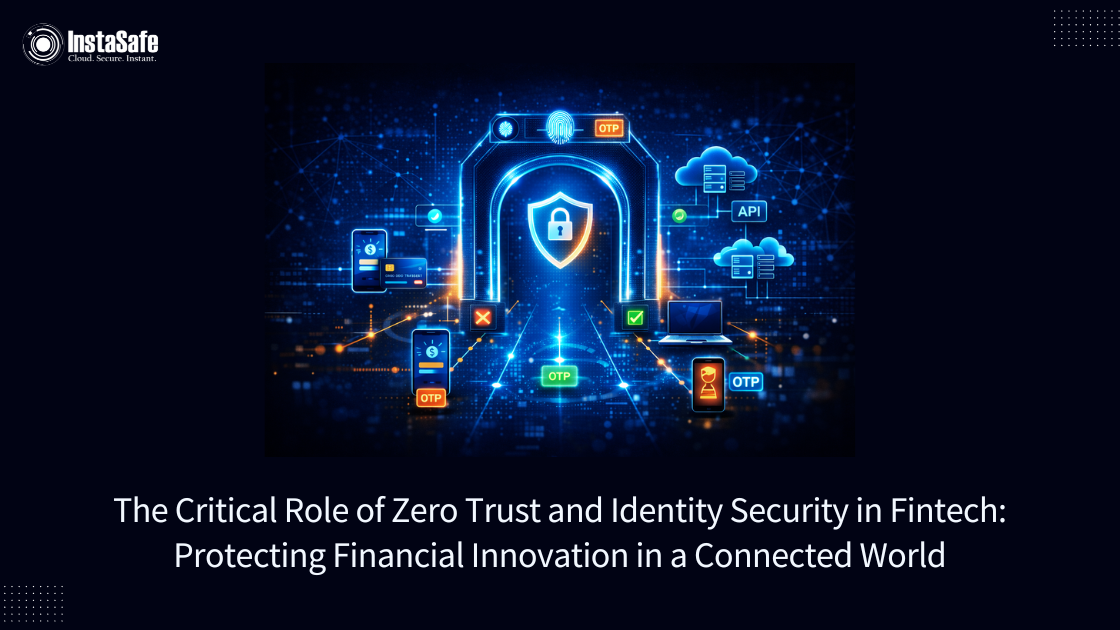
The Critical Role of Zero Trust and Identity Security in Fintech: Protecting Financial Innovation in a Connected World
The fintech industry has revolutionized financial services — from mobile wallets and payment apps to cloud banking and digital lending platforms. However, this seismic shift toward digital…
Read on the blog
Securing the Future of Fintech: Why Zero Trust and Identity-Centric Security Are No Longer Optional
Securing the Future of Fintech: Why Zero Trust and Identity-Centric Security Are No Longer Optional The fintech industry has fundamentally transformed how financial services are delivered…
Read on the blog
Navigating the Regulatory Minefield: How a Leading NBFC Secured 14,000+ Users and Achieved Full RBI Compliance with Zero Trust Access
The Identity and Access Dilemma in the Age of Digital Finance In the fiercely regulated landscape of Indian financial services, particularly within the Non-Banking Financial Company (NBFC)…
Read on the blog
Why is IAM Vital in Preventing Data Breaches?
Data breaches happen when hackers steal information from companies. These breaches cost businesses millions of dollars. According to IBM, the average data breach costs a whopping $4.88…
Read on the blog
Contextual Access Management: What Does It Actually Mean?
Over the last few years, the remote work culture has gained a lot of traction. Today, employees work from multiple places, from offices and homes to client sites and even coffee shops. Not…
Read on the blog
Every article
All 330 posts, by topic. Each one opens on instasafe.com/blog.
Zero Trust Access71
- What Are the Best Practices for a Successful Zero Trust Deployment?
- How Can Organisations Architect a Zero Trust Security Framework?
- What Are the Biggest Challenges in Zero Trust Implementation?
- What is Zero Trust Application Access?
- Important Factors to Consider When Choosing a ZTNA Solution
- Is Zero Trust the Right Choice for OT(Operational Technology)?
- Why Zero Trust Approach is Important to Cybersecurity?
- 5 Essential Steps to Prevent Malware Using Zero Trust
- What is Granular Access Control?
- Why Zero Trust is a Must for Critical Cloud Infrastructure
- Advantages of Direct Routed vs Cloud Routed Zero Trust Architecture
- InstaSafe Recognized as a Representative Vendor in the Gartner 2023 Market Guide for ZTNA
- How Can Firewalls Promote Zero Trust Security?
- Zero Trust vs Defence in Depth: Which One to Choose for Your Organisation?
- How Can Zero Trust Make Your Channel Business?
- How Can Zero Trust Prevent RDP Cyber Attacks?
- What is Zero Trust Architecture? The Ultimate Guide
- 5 Common Objections to Zero Trust Segmentation
- How Zero Trust Can Protect You from Lateral Movement Attacks?
- SRE vs DevOps: Understanding the Difference
- 5 Benefits of Zero Trust Network Access (ZTNA)
- Security Integration in the DevOps World: A Complete Guide
- What are the Benefits of Zero Trust Security?
- What is Domain Controller?
- 7 Phases of DevOps Life Cycle: The Complete Guide
- 5 Key Principles of the NIST Zero Trust Architecture
- What is Microsegmentation? A Beginner’s Guide
- How Can Zero Trust Safeguard Your Organisation from Reconnaissance?
- Zero Trust Model: 3 Core Principles You Should Know
- Zero Trust Networking: Why Isn’t Everyone Using It?
- Why Zero Trust is a Better Alternative to Business VPNs?
- How to Apply Zero Trust Principles to SSH?
- Zero Trust vs VPN vs SDP: Understanding the Difference
- 7 Reasons Why Your Enterprise Needs Zero Trust Security
- Zero Trust Network Access: 5 Best Practises to Follow
- ZTA vs ZTAA vs ZTNA: Understanding the Difference
- How can BPM firms implement Zero Trust?
- Key Points to Learn About the NIST Zero Trust Network Architecture
- Why do APIs need Zero Trust policies?
- Zero Trust in a DevOps Environment: An Indispensable Necessity
- Visibility and Monitoring: Key Steps in the Zero Trust Journey
- Solving the Excessive Trust Challenge in Remote Access Security
- How to Build a Secure Perimeter to Improve Network Security With Zero Trust?
- Why do Businesses on the cloud need Zero Trust Security?
- Zero Trust Security : Enabler of the Decentralised IAM
- Preventing Supply Chains Attacks with Zero Trust
- Decoding Biden’s Zero Trust Push and Cybersecurity for Government Organisations
- Why Implementing Zero Trust is Necessary for Employees Working From Home?
- Improvise Your Cybersecurity Checklist with SASE
- InstaSafe’s Zero Trust Assessment Tool
- SASE, Zero Trust, And How Your Business Can Benefit from Them
- User Activity Monitoring: A Key Cog in Zero Trust Models
- Need for Zero Trust in the Boundless BYOD Environment
- Choosing the Right Zero Trust Architecture
- The Need to Converge Zero Trust and Remote Work
- Enterprises Can Now Go Password Less, Thanks to Zero Trust
- InstaSafe in action at Zero Trust Demo Forum 2021
- Why is now the time to adopt a Zero Trust Approach to Security?
- Zero Trust in IAM: The New Approach to Security
- The Role of mTLS And SSL Inspection in Crafting A Zero Trust Model
- InstaSafe’s Security Precepts for designing a zero trust architecture
- Reasons Why Zero Trust Security Can Boost Your Security Posture in 2021
- The Benefits of Implementing a Zero Trust Model
- How to Implement Zero Trust Security
- Zero Trust Security in Digital Transformation
- Zero Trust: Least Privilege Access Models
- Understanding Zero Trust: Microsegmentation
- Zero Trust Security in Healthcare: Unique challenges and its solution
- Zero Trust in Banking and Financial Services
- Zero Trust Network Access Models
- What is Zero Trust Security Model
Multi Factor Authentication55
- How MFA Enables ITES Compliance and Strengthens Cybersecurity Posture
- The Role of AI in Enhancing Multi-Factor Authentication
- What Are the Regulatory and Compliance Considerations for Implementing MFA?
- How Can Organizations Effectively Implement Multi-Factor Authentication?
- How to Use MFA to Achieve Regulatory Compliance?
- 7 Risk-Based Authentication Examples to Combat Modern Threats
- Key Requirements for an Effective Multi-Factor Authentication (MFA) Solution
- What is a Phishing-Resistant MFA?
- OAuth 2.1 vs OAuth 2.0 - What's the Difference?
- What is an Authorisation Code with Proof Key for Code Exchange (PKCE)?
- Modern Authentication vs Basic Authentication: What's the Difference?
- Securing VPNs with Multi-Factor Authentication
- How To Enable Multi-Factor Authentication (MFA) For Popular Email Clients
- MFA for Network Devices Using RADIUS
- MFA for Shared Accounts and Admins - Eliminate Security Risks
- How to Set up MFA Exchange On-Premise
- Multi-Factor Authentication for Remote Desktop Services
- Importance of MFA for Remote Access
- Why is Soft Token MFA the Better MFA Method?
- How To Set Up Multi-Factor Authentication for SSH on Linux
- Refining Your MFA User Experience and Overcoming Usability Challenges
- How to Enable MFA for Windows Servers
- Using Hardware MFA to Secure Your Web Apps
- Deploying an Effective MFA Setup
- What is Continuous Authentication and How Does it Work?
- What is SMS 2FA?
- What is Basic Authentication?
- What is SMS Authentication and Is It a Secure Solution?
- What’s the Difference Between OTP and TOTP?
- What is DMARC (Domain-based Message Authentication, Reporting, and Conformance)?
- Types of Authentication Methods Used for Network Security
- 5 User Authentication Types to Prevent the Next Breach
- A Step-by-Step Guide To Implementing Passwordless Authentication
- What is Facial Authentication, and How Does it Work?
- What is SAML and How Does SAML Authentication Work?
- What Is Client Certificate Authentication?
- What is Passwordless Authentication, and How Does it Work?
- What is RADIUS Authentication and How Does it Work?
- What is Push Authentication and How Does it Work?
- What Is FIDO2 and How Does It Work?
- What Is Biometrics? How Is It Used in Security?
- Types Of Biometric Authentication
- Two-Factor Authentication Solutions (2FA) Using Biometrics
- What is an MFA Fatigue Attack?
- What are the Types of MFA? (& the Best MFA For Your Business)
- Adaptive MFA vs. MFA: What's the Difference?
- Adaptive Multi-Factor Authentication (MFA)
- Benefits of Multi-Factor Authentication
- What is Risk-based Authentication (RBA)?
- Authentication Vs Verification: Know the Difference
- Why is MFA considered essential for Cyber Security?
- Two-Factor Authentication (2FA) vs Multi-Factor Authentication (MFA): Key Differences
- What is the Difference Between MFA and SSO?
- What is Multi-Factor Authentication, and How Does it Work?
- Multi-Factor Authentication: When and Why You Should Use It?
Cybersecurity53
- Right Way to Choose Cybersecurity Solutions for Hybrid and Hyperscale Data Centers
- How InstaSafe can help Regulated Entities (REs) to stay compliant with SEBI CSCRF guidelines
- What is a Digital Certificate, and How Are They Used?
- Types of Digital Certificates
- HOTP vs TOTP: What's the Difference?
- What is DNS Filtering and How Does it work?
- SPF vs DKIM vs DMARC: What's the Difference?
- What is DKIM?
- PIM vs PAM vs IAM: Understand The Differences
- The Different Token Types and Formats Explained
- Digital Watermarking and its Types
- What is TACACS Authentication?
- RADIUS vs TACACS: What To Choose For Your Enterprise?
- SAML vs LDAP: What Is The Difference?
- Whitelisting vs Blacklisting: What's the Difference?
- What Is LDAP and How Does It Work?
- LDAP and SAML SSO: What's the Difference?
- SAML Configuration Steps
- SAML vs. SSO: Understanding The Differences
- What Is Public Key Infrastructure (PKI) and How Does It Work?
- What is an Intrusion Detection System?
- What Is Network Security Management?
- What Is SD-WAN?
- Why Enterprises are shifting back from the Public Cloud to the On-premise Private Cloud?
- Difference between Forward Proxy and Reverse Proxy
- What is Forward Proxy?
- What Is a Cloud Native Application Protection Platform or CNAPP?
- SSL vs. TLS: What's the Difference?
- What Is OT Security?
- InstaSafe is now FIPS Compliant
- Beginners Guide to SAP Security: Why is it Important and How Does it Work?
- What is Mutual TLS (mTLS)?
- LDAP vs. Active Directory: What’s the Difference?
- What is BYOD (Bring Your Own Device) & Why is it Important
- What is the Lateral Movement in Cybersecurity?
- Network Security Model And Its Components
- What is the NIST Cybersecurity Framework? All You Need to Know
- 10 Networking Abbreviations Everyone Should Know
- VPN Passthrough vs IPsec Passthrough: Understanding the Difference
- Top Cybersecurity trends to be aware of in 2022
- The Most Common Enterprise Malware and How To Identify Them
- How Do You Stop Hackers from Hacking Your Cloud?
- Cybersecurity for Fintech Enterprises: Why Fintech Enterprises Need a Cybersecurity Plan
- Cyber Attacks on Critical Infrastructure: How Enterprises Can Avoid It?
- How Artificial Intelligence (AI) Plays an Important Role in Cybersecurity
- The Importance of Understanding Insider Threat to Avoid Data Breaches
- Reasons Why Your Cybersecurity Plan is Incomplete Without Microsegmentation
- Comprehensive Guide to Security for Startups
- How to Build an effective Micro-Segmentation Strategy in 5 Steps
- The Anatomy of Lateral Movement Attacks - Instasafe
- 5 pillars of Cloud Data Security
- What is a Distributed Denial of Service (DDoS) attack? How do you stop them?
- What’s the Relation Between Airport Security and Cybersecurity?
Identity Access Management23
- Why is IAM Vital in Preventing Data Breaches?
- The Role of IAM in Compliance And Regulatory Requirements
- 7 Regulations for Identity & Access Management Compliance
- How Identity and Access Management is Transforming Security for Businesses
- 9 Common IAM Risks & How to Mitigate Them
- Unlocking the Future: The Power of Adaptive and Passwordless Authentication
- IAM Benefits: Strengthening Security Business Case with Metrics
- What is Cloud Identity and Access Management (Cloud IAM)?
- Simple Steps to Implement Cloud-Based Identity & Access Management (IAM)
- SAML vs. OAuth: What's the Difference
- IAM vs CIAM - What’s the Difference?
- How Enterprise SSO Integration Benefits Modern Organisations
- What is Federated SSO (Single Sign-On)?
- IAM vs. PAM: What's The Difference?
- Identity Provider SSO vs. Service Provider SSO
- LDAP Authentication With Active Directory
- PIM vs. PAM: What’s The Difference?
- Single Sign-on vs Federated Identity Management
- Multi-Factor Authentication (MFA) for Active Directory (AD)
- Pros and Cons of Multi-Factor Authentication
- Domain Controller vs Active Directory: What's the Difference
- Authentication vs Authorisation: What's the Difference?
- Benefits of Identity-based Access Control
VPN Alternative22
- Effortlessly Secure Third-Party Access Without Relying on VPNs
- MPLS vs VPN: Understanding the Difference
- What is a WireGuard VPN?
- SD-WAN vs VPN: The Comprehensive Guide
- IPsec VPNs: What They Are and How to Set Them Up
- SSL VPN Explained: A Beginner's Guide
- Remote Access VPN: A Detailed Guide
- Enterprise VPN Re-imagined: Crafting Scalable VPN Solutions
- 4 Weaknesses of VPN Your Organisation Should Know
- 7 Ways Cloud VPN Can Skyrocket Your Company’s Success
- How Zero Trust Access overcome latency and performance issues with VPN?
- VPN Performance Can Disrupt Network Experience: Here's Why
- What’s the Difference Between Traditional and Cloud VPNs?
- What are VPN Tunnels and How to Establish Security Beyond Them?
- Zero Trust vs SSL VPN: Which One to Choose for Remote Work?
- VPN and RDP: Why Such Outdated Solutions are Still Widely Used?
- 5 Disadvantages of VPNs for Your Enterprise
- How to Secure Your Network? Would Alternatives to VPN be the Better Option?
- Lessons to Learn From the Fortinet VPN Leak. Are Your VPNs Secure Enough?
- Why Are Enterprises Opting for a Successor to Traditional VPNs?
- Zero Trust as the Ideal VPN Alternative Solution
- Just 2 Reasons Your Current VPN Solution Is Loved by Hackers
Cloud Security21
- What is Cloud Security Posture Management?
- What is a Cloud Access Security Broker (CASB)?
- What is Multi-Cloud?
- Cloud Application Security Best Practices
- What is Scalability in Cloud Computing?
- Hybrid Cloud vs Multi-Cloud: What is the Difference?
- What are the Top Cloud Computing Security Challenges?
- What are Cloud Firewalls?
- 10 Tips to Maintain Strong Cloud Cybersecurity
- 6 Common VoIP Security Issues and How to Fix Them
- Why Should Security Strategy Begin with Cloud Security for Organisations?
- Cloud Holds the Future of Enterprise Firewall: Here’s Why
- What is Secure Web Gateway (SWG)? - Benefits and Features
- How to Improve Cloud Security and Productivity by Whitelisting IPs
- Top 10 Cloud Security Issues You Should Know
- Check These Cloud Security Basics That Every CIOs and CTOs Should Be Aware Of
- How Machine Learning Can Improve Security Gaps in Microsegmentation?
- The Need for Human Centric Security for Enterprises
- Kaseya Ransomware Attack: What Companies Can Learn From It
- Digitization & Cloud Security: Steps to Consider in Securing Cloud Applications
- Endpoint Privilege Management: Mitigate Cyber Crimes with Privileged Access Management
Remote Access16
- What Is a Reverse Proxy?
- What is Remote Desktop Protocol?
- Common Remote Work Security Risks & Best Practices
- What is SSH (Secure Shell) And How Does It Work?
- Secure Remote Access: Protect WFH Employees from Cyberthreats
- Remote Device Access: Risks and Steps for Protection
- 6 Ways to Secure Remote Access for Your Organisation
- Security Considerations for Remote Access Network Architecture
- Stopping Insider Attacks During Remote Work
- Why Should Organizations Consider Implementing a Secure Access Solution for Remote Workers?
- Remote Browser Isolation: How does it work?
- Enterprise Security Predictions: How Zero Trust Can Enhance Remote Working Security
- The What, How, When of Remote Workforce Security
- Future of Remote Working
- Secure Remote Access for Employees
- 7 Security Tips to Manage Global Remote Workforces
Software Defined Perimeter15
- What's the Difference Between SD-WAN and MPLS?
- Software Defined Perimeter and Network Centric Zero Trust
- Software Defined Perimeter: Best Method for Adopting Zero Trust
- What is Software Defined Perimeter (SDP)?
- VPN vs SDP: Why You Should Move to Software-Defined Perimeters
- Software-Defined Perimeter And the Multi-Cloud Environment
- All About the Software-Defined Perimeter: Deployment, Advantages, and Use Cases
- Why is a Software Defined Architecture the Most Effective Tool for Zero Trust Adoption?
- Software Defined Perimeter Essentials
- Preventing Network-based attacks with SDP
- Why should a Software Defined Perimeter replace your VPN?
- Network Centric Security and the Software-Defined Perimeter
- What is a Software Defined Perimeter? How Does it Work?
- Why Software Defined Perimeter Are Here Stay? - Instasafe
- SDP Security: Prevent 5 Attacks with InstaSafe
Microsegmentation5
SASE5
Contextual Access Management4
Data Loss Prevention1
Endpoint Security1
Single Sign On (SSO)1
More37
- Zero Trust Security for BFSI: Protecting Banking and Financial Institutions from Modern Cyber Threats
- Securing Hybrid and Cloud Infrastructure in BFSI: Moving Beyond Perimeter-Based Security
- From Passwords to Identity: Modern Access Security for Fintech Organizations
- Why MFA Is Critical for Fintech Security, Compliance, and Fraud Prevention
- Securing Fintech Platforms with Zero Trust: Why Identity-First Security Is Critical
- Valentine’s Day Scams: How Cybercriminals Exploit Love and How InstaSafe Helps You Stay Protected
- Why Cybersecurity Is a Strategic Priority for IPO-Bound Companies
- How Zero Trust Architecture Strengthens Security for IPO Readiness
- Multi-Factor Authentication (MFA) for IPO Security and Compliance
- Cybersecurity for the IPO Industry: Why Identity-First Security and Zero Trust Are Critical Before Going Public
- From VPNs to Zero Trust: Modern Cybersecurity for ITES Organizations
- Securing the ITES Industry with Zero Trust: Why Identity-First Security Is Critical for Modern Service Organizations
- From Perimeter to Identity: The Evolution of SaaS Cybersecurity
- How MFA Strengthens SaaS Compliance and Data Protection
- Securing SaaS Applications with Zero Trust: Why Identity-First Security Is the Future of Cloud Access
- Strengthening Logistics Cybersecurity: How Identity-First Security and Zero Trust Protect Global Supply Chains
- Why Cybersecurity in Logistics Matters More Than Ever: Protecting Supply Chains with Zero Trust and Identity Security
- Securing Remote Access in Logistics: Moving Beyond Traditional VPNs
- The Critical Role of Zero Trust and Identity Security in Fintech: Protecting Financial Innovation in a Connected World
- Securing the Future of Fintech: Why Zero Trust and Identity-Centric Security Are No Longer Optional
- Navigating the Regulatory Minefield: How a Leading NBFC Secured 14,000+ Users and Achieved Full RBI Compliance with Zero Trust Access
- What is a Secure Sockets Layer (SSL)?
- What Is Token-Based Authentication and How Does It Work?
- Email Authentication Methods and Protocols
- SAML vs. OIDC: What's the Difference?
- Launching InstaSafe Technical Writer Program
- 7 Best Practices to Follow for Application Security in Cloud
- Instasafe is listed as a Representative Vendor in Gartner’s 2022 Market Guide for Zero Trust Network Access
- VARINDIA recognize Instasafe as "Best Zero Trust Security Brand"
- A Data And User-Centric Approach To Zero Trust
- Instasafe partners with System Integration and Technology Consulting company Pace InfoSolutions
- InstaSafe won the award for the 'Security Product Company of the Year 2021' under the Product Segment by DSCI
- Instasafe has featured as 'High Performers' on G2 Grid for Zero Trust Networking software Category
- InstaSafe is now a technology partner of Hewlett Packard Enterprise (HPE)
- InstaSafe Cloud Access for AWS
- InstaSafe recommended by Gartner for crafting Zero Trust Strategy
- Instasafe announces global distribution partnership with Ingram Micro