Securing Remote Access in Logistics: Moving Beyond Traditional VPNs

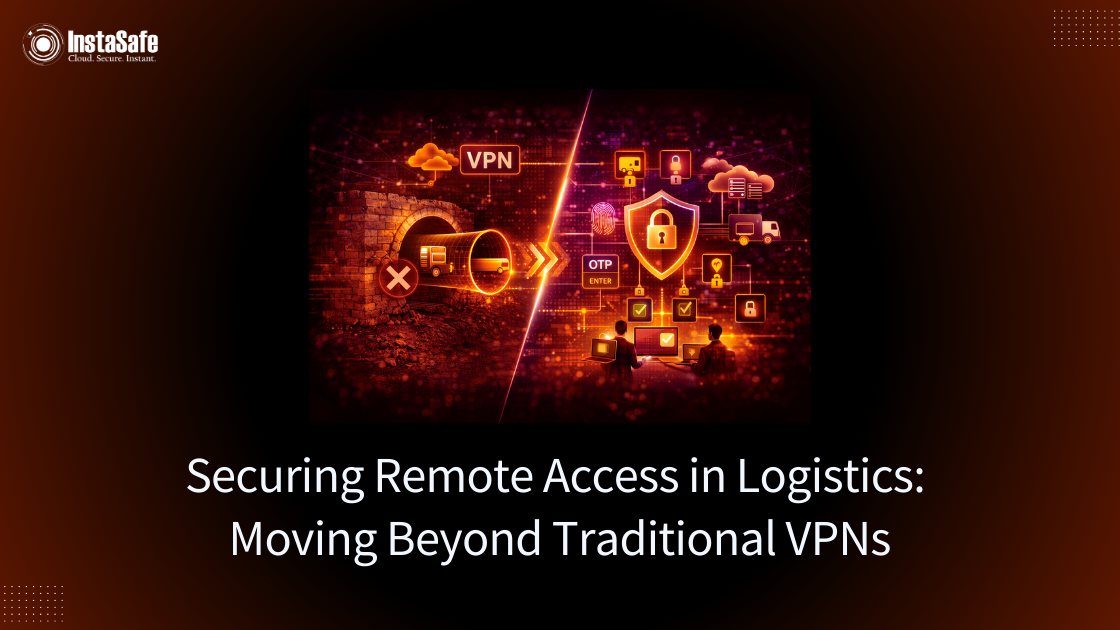
The logistics industry has become increasingly dependent on remote connectivity. From warehouse managers and fleet operators to third-party carriers and IT administrators, users now access critical systems from multiple locations and devices. While this digital shift has improved efficiency, it has also introduced serious cybersecurity risks.
Traditional VPN-based remote access models are no longer sufficient to protect modern logistics environments. To secure operations without compromising productivity, logistics organizations must move toward identity-based, Zero Trust remote access.
The Growing Need for Remote Access in Logistics
Logistics operations rely on continuous access to systems such as:
- Warehouse Management Systems (WMS)
- Transportation Management Systems (TMS)
- Inventory and order tracking platforms
- Cloud-based dashboards and analytics tools
Employees, contractors, and partners often access these systems from warehouses, remote offices, delivery hubs, or even on the move. This distributed access model significantly expands the attack surface if not secured properly.
Why Traditional VPNs Fall Short
VPNs were designed for a time when users worked primarily from fixed locations. In today’s logistics ecosystem, VPNs introduce multiple challenges:
1. Excessive Network Access
Once connected, VPN users often gain broad access to the internal network, increasing the risk of lateral movement if credentials are compromised.
2. Poor User Experience
VPNs can be slow, unstable, and difficult to manage-leading users to bypass security controls or reuse weak passwords.
3. Limited Visibility and Control
IT teams struggle to monitor who is accessing which applications, from which devices, and under what conditions.
4. High Risk from Stolen Credentials
VPNs rely heavily on passwords, making them vulnerable to phishing and credential-based attacks.
For logistics companies where uptime and speed are critical, these limitations can directly impact operations.
The Shift Toward Identity-Based Remote Access
Modern cybersecurity strategies recognize that identity-not the network-is the new perimeter. Instead of granting network access, identity-based solutions verify who the user is and grant access only to specific applications.
This approach ensures:
- Access is granted only after strong identity verification
- Users see only what they are authorized to access
- Internal networks remain hidden from the internet
Zero Trust Remote Access: A Better Model for Logistics
Zero Trust operates on the principle of “never trust, always verify.” Every access request is authenticated, authorized, and continuously evaluated.
How Zero Trust Improves Remote Access Security
- No implicit trust based on location or network
- Continuous authentication and session monitoring
- Least-privilege access to logistics applications
- Reduced attack surface and breach impact
For logistics organizations, this means secure access without exposing sensitive infrastructure.
The Role of Multi-Factor Authentication (MFA)
Passwords alone are no longer enough. Multi-Factor Authentication (MFA) adds an essential layer of protection by requiring additional verification such as OTPs, biometrics, or push notifications.
Benefits of MFA for Logistics Remote Access
- Prevents unauthorized access using stolen credentials
- Secures remote users and mobile workforces
- Reduces account takeover incidents
- Supports compliance requirements
MFA ensures that only legitimate users can access logistics systems-even from untrusted networks.
Secure Remote Access Without VPNs
Modern secure access solutions enable logistics companies to:
- Provide application-level access instead of network-level access
- Eliminate the need for traditional VPNs
- Secure cloud, on-prem, and hybrid applications
- Maintain a seamless user experience
This approach minimizes risk while supporting the fast-paced demands of logistics operations.
Compliance and Operational Resilience
Logistics organizations must comply with data protection regulations and industry standards while ensuring uninterrupted operations. Identity-based access provides:
- Centralized access control and auditing
- Detailed logs for compliance and investigations
- Reduced risk of downtime caused by cyber incidents
By limiting access and continuously verifying users, logistics companies improve both security and resilience.
Conclusion
As logistics operations continue to expand across locations, partners, and digital platforms, securing remote access becomes critical. Traditional VPNs can no longer keep up with the complexity and risks of modern logistics environments.
By moving toward Zero Trust remote access, identity-centric security, and Multi-Factor Authentication, logistics organizations can protect their systems, maintain operational continuity, and support secure growth.
In today’s logistics landscape, secure remote access isn’t optional-it’s foundational.