How MFA Strengthens SaaS Compliance and Data Protection

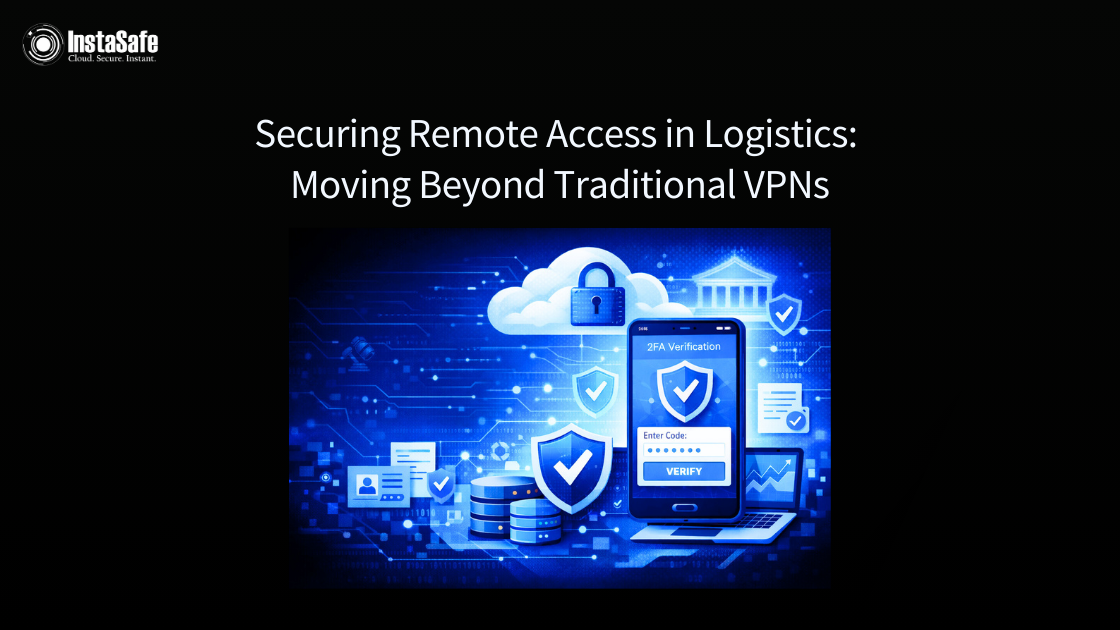
As organizations increasingly adopt Software-as-a-Service (SaaS) platforms for business-critical operations, ensuring secure access to these applications has become a top priority. From finance and HR to collaboration and customer data, SaaS applications now hold some of the most sensitive information within an enterprise.
However, this growing reliance on cloud services has also made SaaS platforms prime targets for cyber attackers. One of the most effective ways to mitigate these risks and meet regulatory requirements is through Multi-Factor Authentication (MFA).
MFA has emerged as a cornerstone of modern SaaS security, strengthening compliance frameworks and significantly reducing the risk of unauthorized access.
The Compliance Challenge in SaaS Environments
SaaS environments must comply with various global and industry regulations, such as:
- ISO 27001
- SOC 2
- GDPR
- HIPAA
- PCI DSS
These standards require organizations to implement strong access controls, audit mechanisms, and identity verification processes. Relying solely on usernames and passwords is no longer sufficient to meet these requirements.
Compliance failures can result in:
- Regulatory penalties
- Data breaches
- Legal liabilities
- Loss of customer trust
Why Passwords Alone Are Not Enough
Passwords remain one of the weakest links in SaaS security. Common issues include:
- Credential reuse across platforms
- Phishing and social engineering attacks
- Weak password policies
- Stolen credentials from previous breaches
Attackers often gain access not by hacking systems, but by exploiting compromised user credentials.
What Is MFA and How It Works
Multi-Factor Authentication requires users to verify their identity using two or more factors:
- Something they know (password)
- Something they have (OTP, mobile device, hardware token)
- Something they are (biometrics)
Even if one factor is compromised, MFA ensures attackers cannot gain access without the additional verification step.
How MFA Strengthens SaaS Compliance
1. Enforces Strong Access Control
MFA ensures only verified users can access SaaS applications, aligning with compliance requirements for identity validation.
2. Supports Audit and Logging
Authentication logs provide evidence for compliance audits, showing who accessed what and when.
3. Reduces Insider Risk
MFA prevents misuse of privileged accounts and limits unauthorized internal access.
4. Meets Regulatory Authentication Standards
Most frameworks explicitly recommend or require MFA for sensitive systems.
MFA and SaaS Data Protection
Beyond compliance, MFA plays a critical role in protecting sensitive cloud data.
Key Benefits:
- Prevents account takeover
- Blocks unauthorized remote access
- Protects third-party integrations
- Reduces risk of ransomware attacks
- Enhances Zero Trust security posture
MFA ensures that even if attackers obtain login credentials, access remains restricted.
MFA in a Zero Trust Framework
In Zero Trust architecture, identity is the new security perimeter. MFA acts as the primary gatekeeper for verifying identity before granting access.
Together, Zero Trust + MFA provide:
- Continuous verification
- Adaptive access policies
- Least-privilege access
- Real-time monitoring
This combination is ideal for SaaS environments where users connect from diverse locations and devices.
How InstaSafe Enables MFA for SaaS Security
InstaSafe’s MFA solutions are designed to seamlessly integrate with SaaS platforms, offering:
- Adaptive authentication based on risk
- Support for multiple authentication methods
- Centralized access management
- Real-time visibility and reporting
- Compliance-ready audit trails
Organizations can deploy MFA without disrupting user experience while maintaining strong security controls.
Final Thoughts
SaaS platforms have become the backbone of modern enterprises - but they also introduce significant security and compliance challenges.
Multi-Factor Authentication is no longer optional. It is a fundamental requirement for protecting cloud data, meeting regulatory obligations, and building a resilient cybersecurity posture.
In a world where identities define access, MFA is the foundation of SaaS security.